
GreenTEG launches cloud-based insulation monitor
GreenTEG AG has launched the gO Measurement System (gOMS) for wireless, cloud-based U-value, temperature, and humidity measurements.

GreenTEG AG has launched the gO Measurement System (gOMS) for wireless, cloud-based U-value, temperature, and humidity measurements.
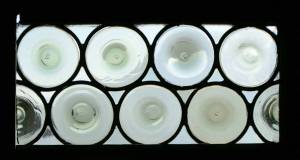
In his latest column on the history of low energy building in the 20th century, Dr Marc Ó Riain charts the surprisingly fascinating history of double glazing.
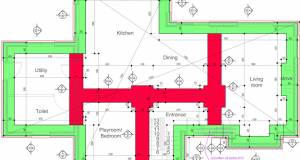
While understanding wall and roof insulation is relatively straightforward, insulation under the ground floor can be a bit of a mystery by comparison. Not only is it buried in the ground, but there are notoriously tricky spots like the wall-floor junction that need to be detailed and insulated properly. And the design of your foundation often depends on site conditions and the type of structure you’re going to build, too. In this guide, we explain some different ways of insulating one of the most challenging parts of the building envelope.
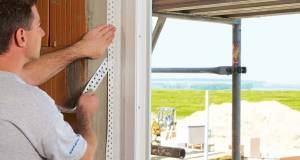
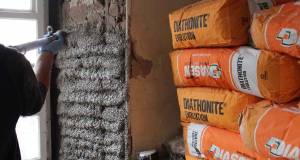
Ecological Building Systems featured on a recent episode of RTE’s The Great House Revival. The show, which is presented by architect Hugh Wallace, follows homeowners undertaking the arduous task of transforming derelict properties into modern buildings.

In the first in a new series of technical articles on some of the key technologies in sustainable building, John Hearne makes the case for wrapping buildings in an external insulation layer, and describes some of the main issues to watch out for.
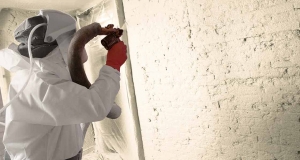
ECON Polyurethanes have recently launched the new BASF Elastospray LWP (low warming potential) spray-foam insulation system to the UK and Irish markets. According to BASF, Elastospray LWP “combines maximum insulation performance with the best possible environmental protection”.
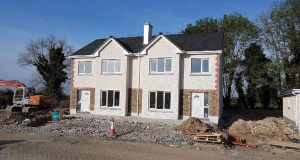
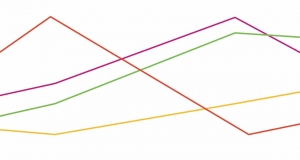
Ireland’s new build housing market is undergoing a radical transformation in energy performance specifications, analysis by Passive House Plus has revealed — with oil heating all but vanishing from use, leaving gas boilers and heat pumps to dominate the heating market.
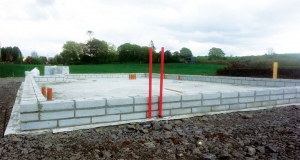
Quinn Building Products says that a study undertaken by the company’s technical team demonstrates how the developer of a typical A3 rated, semi-detached house can make substantial savings using Quinn products.
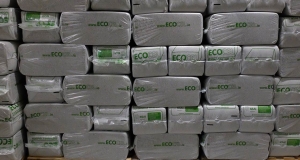
Award winning Cork-based insulation manufacturer Ecocel will shortly open its doors for a series of factory tours, with the aim of increasing awareness of the importance of eco-friendly, healthy insulation.
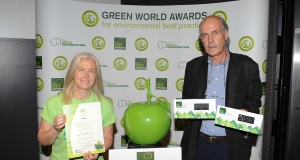
Cork based cellulose insulation manufacturer Ecocel has won a bronze Green Apple award, the prestigious international award for the built environment and architectural heritage. The award was presented to Ecocel’s managing director John Egan at a ceremony on 8 August in London.
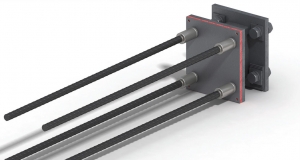
Kingspan Insulation has become the first insulation manufacturer to become a patron member of the Passive House Association of Ireland. The association, which is chaired by Dr Shane Colclough, aims to promote the passive house standard and fabricfirst building principles across the Irish construction industry as a whole.
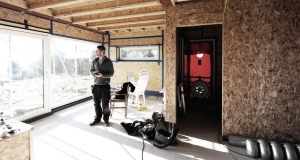
In October 2015, PYC Systems carried out the first of several air tests at the Hilltop project in Richard’s Castle on the Hertfordshire— Shropshire border, Architype’s first small scale residential passive house project. The first blower door test result was 0.59 air changes per hour (ACH), prior to insulating the envelope, which everyone was keen to improve on as it only marginally passed the passive house standard and was prior to fitting services, which are known to increase the risk of air leaks.
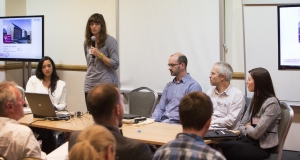
The primary reason for requiring airtightness in buildings has nothing to do with energy efficiency or occupant comfort, writes Helen Brown, head of building physics at Encraft — it's for the protection of the building fabric.
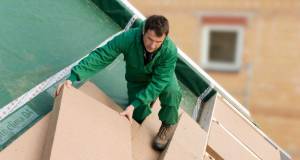
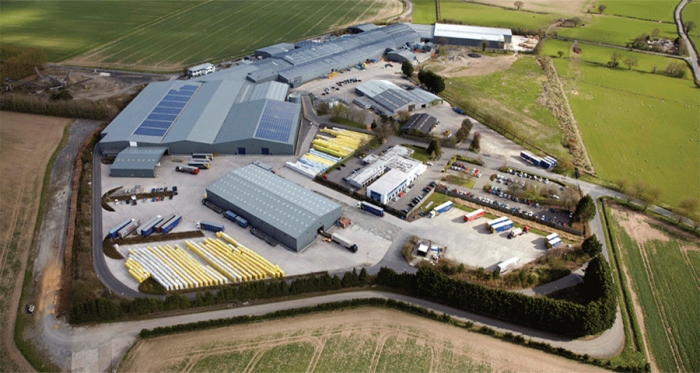
Kingspan Insulation UK has published its latest Sustainability & Responsibility Report, highlighting a year of continued growth and sustainable development.

This pioneering upgrade project, completed in 2009, turned a Victorian redbrick in Birmingham into one of the UK’s greenest homes. Along with a much wider ecological agenda, the house employed fabric first principles of insulation and airtightness, and met passive house design targets at a time when the standard was still in its infancy in the UK.
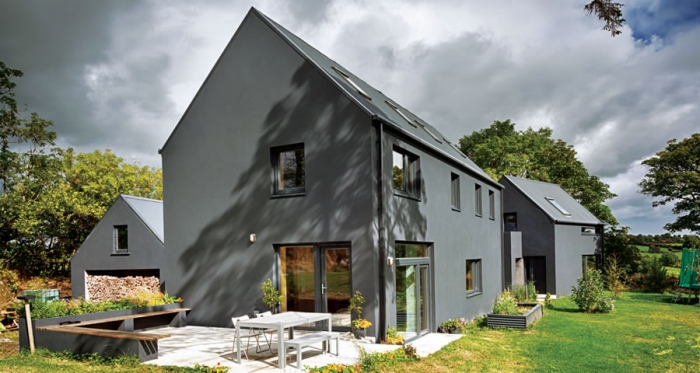
Three years ago quantity surveyor Ross Cremin set out from scratch with the goal of self-building a passive house on a site in rural County Longford. Here he tells the story of his project and offers advice for others thinking of building their own passive house.
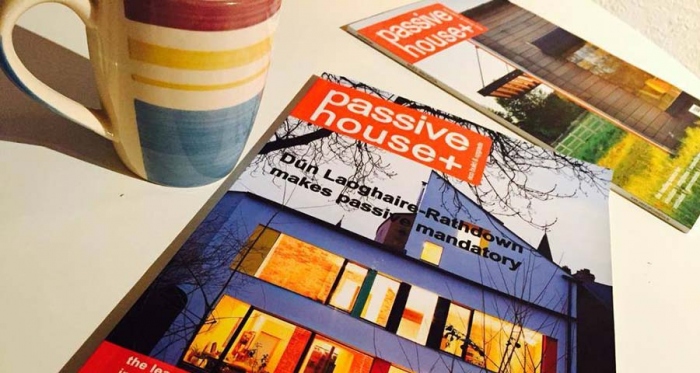
The digital versions of all previous issues of Passive House Plus are now freely available online. The magazine is available in entirety in digital form, while many of the feature articles are also now available in HTML form - or in other words as regular web articles. The digital editions use the Issuu pageflipper software, which was chosen for its functionality, simplicity and the ability for readers to interact with magazine content - for instance by sharing links to articles in the magazine via social media or email, or by clicking links to websites contained in articles and adverts.

This ambitious and complicated project — a partial upgrade, partial rebuild of an old detached property in south Dublin — is on course to achieve the onerous Enerphit standard for retrofit.

Late last summer, work finished on architect Paul McNally’s latest super low energy project: a three-storey building in Tipperary that has just become Ireland’s first certified passive house pharmacy.
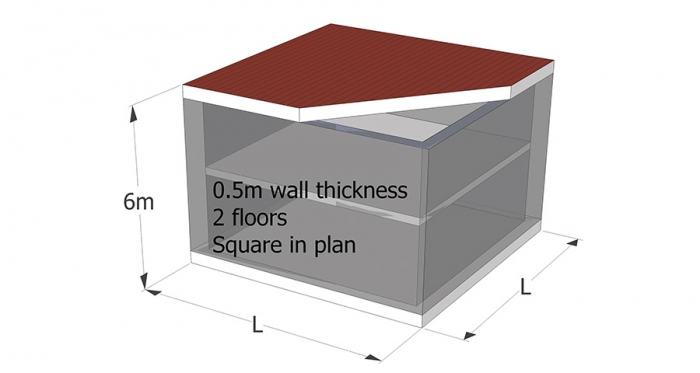
It’s sometimes said to be hard – perhaps too hard – to get a small house to meet the passive house standard. But a small house will have small heating bills, so why is it hard for a small house to be a passive house? Leading passive house consultants Alan Clarke and Nick Grant delve into the passive house software to find out what’s going on.
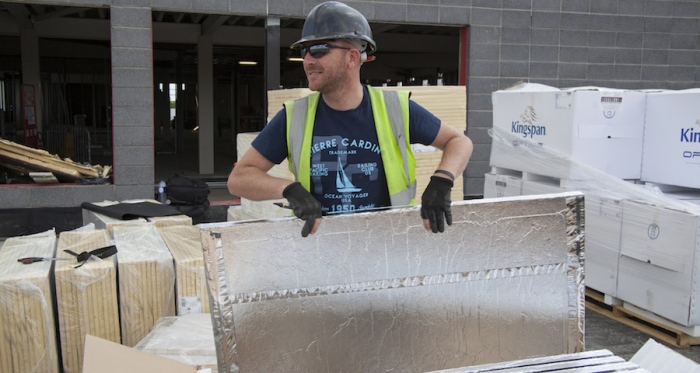
The thermal performance of the Kingspan Optim-R panel has now been independently verified as it became the first vacuum insulation panel to be granted a BDA Agrément certificate.

Irish minister for energy Alex White has announced a boost in the level of grants available to householders who want to undertake energy efficiency improvements. The cash value of every grant available to householders under the Better Energy Homes Scheme has been increased by between 25 to 50%. In addition, a bonus payment has been introduced which will see householders receive bonus payments if they complete three or more energy efficiency improvements.
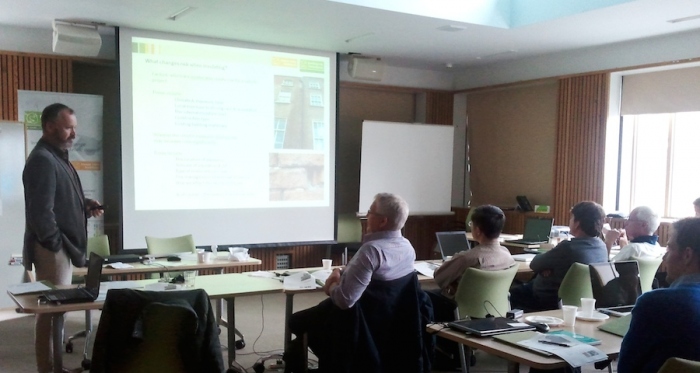
Sustainable building pioneers The Green Register will run a new half-day seminar in London on 27 June 2014 entitled ‘Achieving energy efficiency and preserving historic buildings - surely too good to be true?’