Split level timber frame house overcomes steep site

Cork city split level timber frame house with passive solar design, rainwater harvesting, renewables & green material
Welcome to the archive of Construct Ireland, the award-winning Irish green building magazine which spawned Passive House Plus.
The feature articles in these archives span from 2003 to 2011, including case studies on hundreds of Irish sustainable buildings and dozens of investigative pieces on everything from green design and building methods, to the economic arguments for low energy construction.
While these articles appeared in an Irish publication, the vast majority of the content is relevant to our new audience in the UK and further afield. That said, readers from some regions should take care when reading some of the design advice - lots of south facing glazing in New Zealand may not be the wisest choice, for instance.
Dip in, and enjoy!

Cork city split level timber frame house with passive solar design, rainwater harvesting, renewables & green material
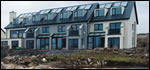
Kevin O’Flaherty’s development overlooking Galway Bay combines impressive energy saving techniques with the sorts of features that buyers of high-spec homes have grown to expect, as John Hearne discovers.

Closed-panel timber frame home in Wicklow with impressive thermal performance and airtightness

Sustainable architect Simon McGuinness describes a project in Dublin which is set to surpass the onerous standard using structural insulated panels.

John Hearne spoke to a number of independent energy experts to develop an impartial view of the main sustainable heating options.


Hugh Dorrian, member of the Main Committee of the recently launched Building Limes Forum Ireland reveals lime is regaining ground as a key material not only in conservation projects, but in new build.

With the goal of achieving zero carbon standards for new homes by as soon as 2013, environment minister John Gormley has committed to introducing 60 per cent energy and carbon reductions under changes to part L of the building regulations next year. John Hearne spoke to leading industry figures to find out how the revised regulation could raise standards for both new and existing homes.

Fingal County Council have clearly shown a laudable commitment to innovation by introducing a mandatory planning requirement for seven areas that all new developments reduce energy use and C02 emissions relating to space & water heating to 60% below Building Regulations requirements, with 30% of space & water heating coming from renewable energy sources