Energy Auditing

An indepth look at the forthcoming Directive on the Energy Performance of Buildings by Jeff Colley.

Welcome to the archive of Construct Ireland, the award-winning Irish green building magazine which spawned Passive House Plus.
The feature articles in these archives span from 2003 to 2011, including case studies on hundreds of Irish sustainable buildings and dozens of investigative pieces on everything from green design and building methods, to the economic arguments for low energy construction.
While these articles appeared in an Irish publication, the vast majority of the content is relevant to our new audience in the UK and further afield. That said, readers from some regions should take care when reading some of the design advice - lots of south facing glazing in New Zealand may not be the wisest choice, for instance.
Dip in, and enjoy!
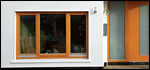
Much of the housing built around Dublin over the last forty years has been built of single-leaf nine-inch hollow block construction – which are both notoriously energy inefficient and extremely difficult to insulate effectively without causing damp problems. Lenny Antonelli visited a hollow block house which has been ecologically renovated to protect occupant health whilst shooting to the top of the energy rating scale.

If the Irish construction industry is truly to rapidly embrace the concept of sustainability, leadership from the public sector will be paramount in setting the right example. John Hearne spoke to the design team of the Opus and RIBA award-winning Cork Civic Offices, a development which keeps carbon emissions and fossil energy consumption to a minimum, and once more puts the public sector at the forefront of innovative sustainable design

Ramon Arratia, sustainability director for InterfaceFLOR in Europe, Middle East, Africa & India

Woodspec -First Timber Specifiers Guide Produced in Ireland
Richard Douthwaite proposes a new bank-free, debt-free way of financing property purchase and development to get the market working again and clear up the mess left by the bubble.
A marked lack of adequate central government action to promote sustainable house building in Ireland has been recently counteracted by planning authorities such as Fingal County Council taking action into their own hands, and setting standards geared to protect their constituents in an oil and gas scarce future. However, as sustainable building consultant Will Woodrow discovered from surveying planning authorities around the country, local government willingness is not always met with a full grasp of the issues needed to make sustainable housing happen.
Newly inaugurated RIAI president Paul Keogh selects four diverse UK projects that integrate sustainability without compromising on design

The desire for better insulated, more environmentally friendly homes is driving ever more Irish self-builders to investigate alternatives to traditional block building. Jason Walsh visited a contemporary style factory-built timber frame house built in County Waterford in 2005.

Richard Douthwaite explains why the bailout may turn out to be a gift to Ireland, and offers some advice for dealing with a default.