
A-rated Cork eco home

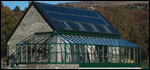
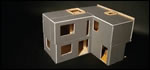
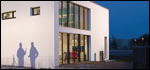
After a long struggle to build their home, Karen and Steve Ward finally got their wish — an energy efficient, timber frame house that boasts a palette of healthy and ecological materials and a fully renewable heating system.
Welcome to the archive of Construct Ireland, the award-winning Irish green building magazine which spawned Passive House Plus.
The feature articles in these archives span from 2003 to 2011, including case studies on hundreds of Irish sustainable buildings and dozens of investigative pieces on everything from green design and building methods, to the economic arguments for low energy construction.
While these articles appeared in an Irish publication, the vast majority of the content is relevant to our new audience in the UK and further afield. That said, readers from some regions should take care when reading some of the design advice - lots of south facing glazing in New Zealand may not be the wisest choice, for instance.
Dip in, and enjoy!

After a long struggle to build their home, Karen and Steve Ward finally got their wish — an energy efficient, timber frame house that boasts a palette of healthy and ecological materials and a fully renewable heating system.
The German-Irish Chamber of Industry and Commerce (GICIC) has just completed a study titled “The Potential of Renewable Energy in Ireland”.
Based on the study’s findings, Bernd Reinhard, Deputy Executive Director of the GICIC outlines the potential that fast emerging renewable technologies possess to revolutionise Ireland’s energy supply, from wind power’s capacity on a national level, to the benefits the likes of solar and geothermal can offer proactive homeowners

In light of the failure of AER 5 and the widespread pessimism in the wind industry regarding converting AER 6 contracts into operating wind farms, we asked the six main political parties what their proposals are for the development of an Irish wind industry.


Brian Homan, Joint Managing Director of leading consulting engineers Homan O’Brien Associates describes a nursing home currently being built that is adopting a sustainable building approach to deliver healthy, comfortable accommodation at low running costs.


The development of sustainable building in Ireland has had to wait for the public to become concerned about energy supply, climate change, and the implications of living in draughty, damp buildings. Much of the established low energy know-how emanates from countries where cold winters drove innovation. Drawing from 50 years of research and development between the Canadian government and housing industry, the Super E programme may be just what Ireland needs, as John Hearne discovered at a new development in Rosslare.

RICHARD DOUTHWAITE proposes measures including energy upgrade of the housing stock which could help to avoid economic meltdown, and JAY STUART outlines some energy saving measures which could be rolled out.