Carlow A1 upgrade
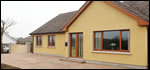
Is it possible to ditch fossil fuels and run a 1970s Irish bungalow on solar energy? Norman McMillan’s renovated A1-rated bungalow in Carlow proves it is.

Welcome to the archive of Construct Ireland, the award-winning Irish green building magazine which spawned Passive House Plus.
The feature articles in these archives span from 2003 to 2011, including case studies on hundreds of Irish sustainable buildings and dozens of investigative pieces on everything from green design and building methods, to the economic arguments for low energy construction.
While these articles appeared in an Irish publication, the vast majority of the content is relevant to our new audience in the UK and further afield. That said, readers from some regions should take care when reading some of the design advice - lots of south facing glazing in New Zealand may not be the wisest choice, for instance.
Dip in, and enjoy!
Is it possible to ditch fossil fuels and run a 1970s Irish bungalow on solar energy? Norman McMillan’s renovated A1-rated bungalow in Carlow proves it is.
In this adapted extract from his new book Natural Building: A Guide to Materials and Techniques, seminal eco architect Professor Tom Woolley outlines some of the reasons why natural building is necessary.
High levels of external insulation, abundant natural light and a minimalist approach to ventilation are ensuring that Malahide Lawn Tennis and Croquet Club is as green as its courts
It’s not often you find an industrial facility that combines low carbon construction with emphasis on natural materials, occupant health and energy efficiency, but Rehan Electronics’ new Wicklow factory is no ordinary building. Lenny Antonelli paid a visit to what must be Ireland’s greenest factory.
Public private partnership schemes have come to dominate many aspects of Irish infrastructural development, from toll roads to urban regeneration schemes. Jason Walsh asks if they amount to privatisation by stealth and whether they come at too high a social and environmental cost.
Green architect Minka McInerney profiles six unique green buildings including a cardboard school building, a globe-trotting recycled museum & the tallest timber building in the world
A new public park on the northside of Dublin combines wind power and sustainable water management with environmentally sound materials and strategies to boost biodiversity, making it a standard-bearer in urban design. Lenny Antonelli visited the site
If the issue of sustainability is to truly be on the agenda in terms of construction and development, it is nowhere more evident than in how we approach insulation. Recognition of the economic and environmental benefits of properly insulating our buildings is being called for by experts on environmentally conscious construction, such as RTE TV presenter Duncan Stewart