
person_outline

Freelance journalist John Hearne has contributed a diverse range of news and feature material to a range of Irish newspapers and magazines. Currently, he is a regular contributor to The Irish Examiner and The Irish Independent, where he writes on tourism, consumer affairs, business and careers.
Thursday, 05 November 2015 12:57
Passive research centre acts as living showcase for green tech
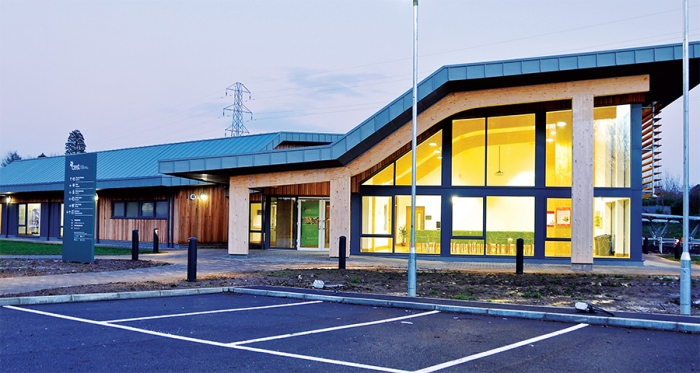
A new research centre in Northern Ireland could stake a claim as being one of the greenest buildings on these islands. Not only is it passive, it boasts a whole suite of ecological features, and aims to be at the cutting edge in the research and development of new sustainable and renewable technologies.
Tuesday, 03 November 2015 13:01
Will building boom see low energy failures?
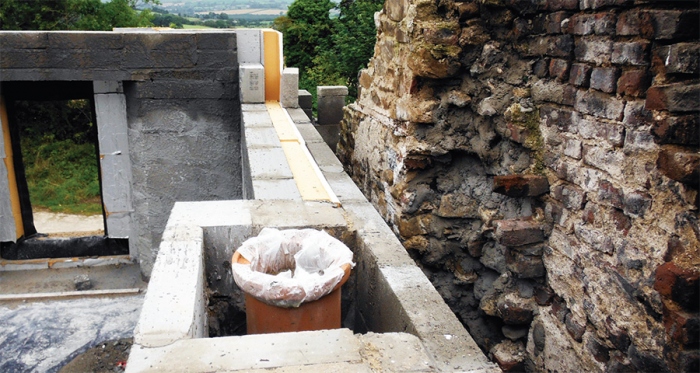
Low energy building isn’t complicated, but it’s easy to get wrong. Since Irish house builders downed tools en masse when the last boom ended, energy efficiency standards for new homes have seen unprecedented rises of 40% in 2008 and 60% in 2011, shooting far ahead of the UK. But with signs of a new boom emerging, can the industry get to grips with this brave new world of insulation, airtightness and thermal bridging and deliver healthy low-energy homes — or are damp and mould set to become the norm in new build?
Published in
Insight
Tagged under
Tuesday, 03 November 2015 12:36
How to rescue a 1970s bungalow
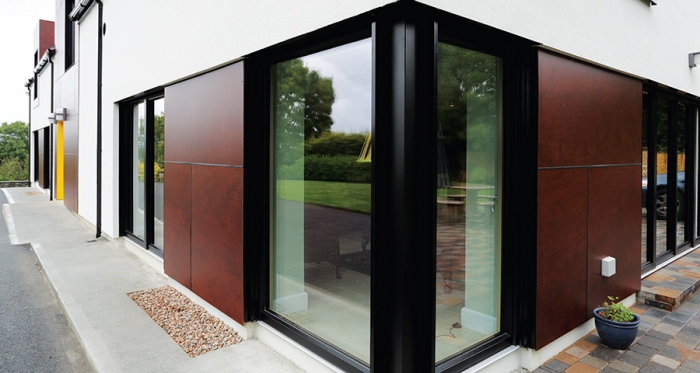
A passive retrofit in Co Meath offers a template that could be applied across much of the Irish housing stock: a long, dark, 1970s bungalow was transformed into a bright modern home that’s now warm and comfortable.
Monday, 02 November 2015 10:28
Passive retrofit emerges from ashes of 80s bungalow
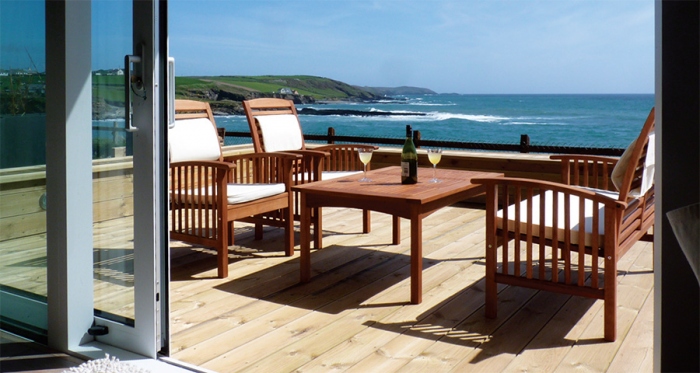
If you’ve ever wanted to take a passive house for a road test, one holiday letting on the coast of west Cork may be too good an opportunity to turn down. The aptly named Sea Spray – an as yet uncertified Enerphit upgraded bungalow – is a bona fide triumph in the face of adversity.
Friday, 30 October 2015 16:09
Stunning Meath home defies passive house stereotypes
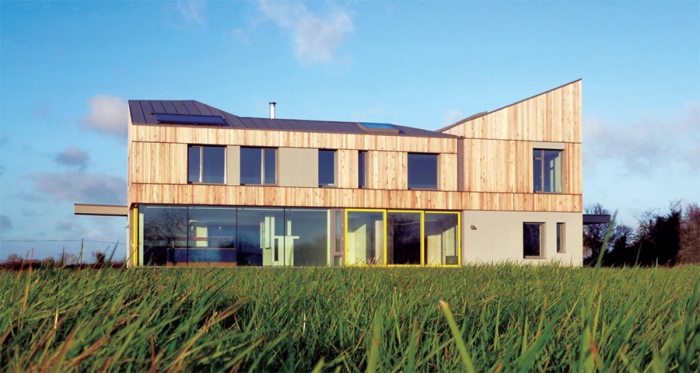
A simple building form, few junctions and minimal surface area are some of the cornerstones of passive house design — but as this spectacular certified passive house in Co Meath proves, rules are made to be broken.
Published in
New build
Friday, 30 October 2015 11:03
Traditional Irish cottage looks to the future
Despite its stop-start beginnings, this cottage in the west of Ireland delivers a traditional-but-stylish design with close-to-passive performance.
Published in
New build
Tuesday, 27 October 2015 16:06
Sussex social scheme pits passive against the code
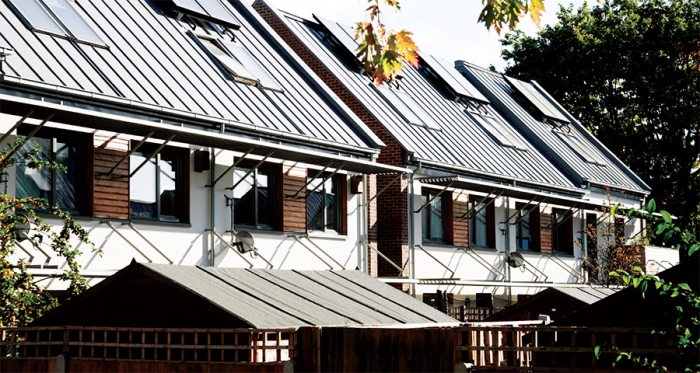
In the absence of strong energy requirements under building regulations, much of the UK’s new build innovation has been driven by the Code for Sustainable Homes. Amid growing concern that the code’s attention to energy efficiency falls some way short of passive house, monitoring results from one social housing scheme offer a rare opportunity for direct comparison.
Published in
New build
Tagged under
Tuesday, 27 October 2015 15:47
Laois self-builder goes hands-on to hit passive
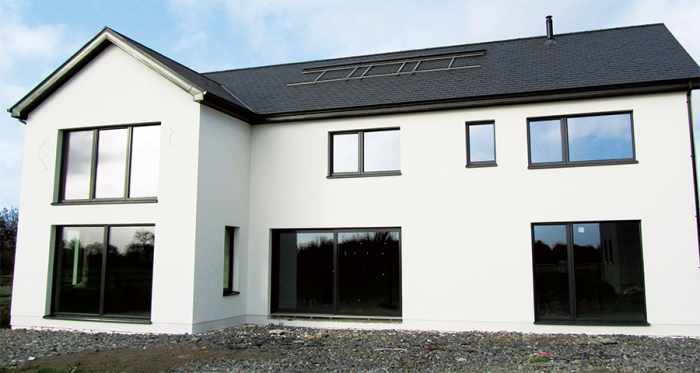
In spite of having no construction experience Steve O’Rourke decided to make his self-build home a passive house, a feat achieved by a well-considered and collaborative approach.
Tuesday, 27 October 2015 15:32
Mallow build hits passive on a budget
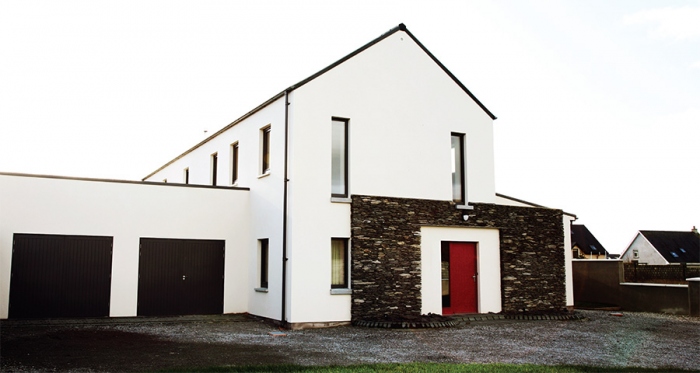
Exploding the myth that passive house means unfamiliar construction methods and considerable expense, one Cork-based builder has gone passive using wide cavity wall construction – for a competitive cost of €100 per sq ft.
Published in
New build
Tagged under
Tuesday, 08 September 2015 10:33
Dublin home reborn with Enerphit upgrade
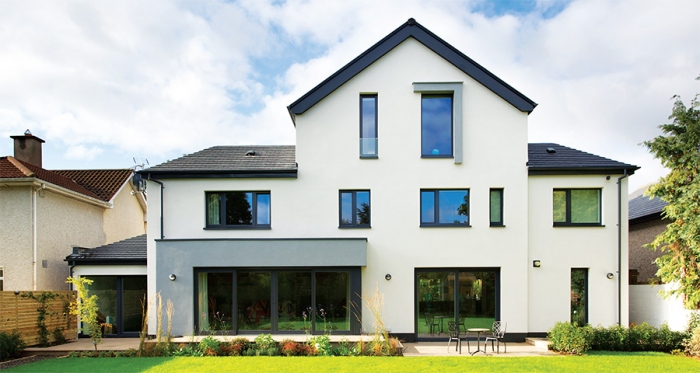
In spite of a dauntingly complex and crumbling existing building, a detached house in Donnybrook has been modernised to become Ireland’s 2nd certified Enerphit building.
Published in
Upgrade
Tagged under
Page 5 of 11