International: Issue 31
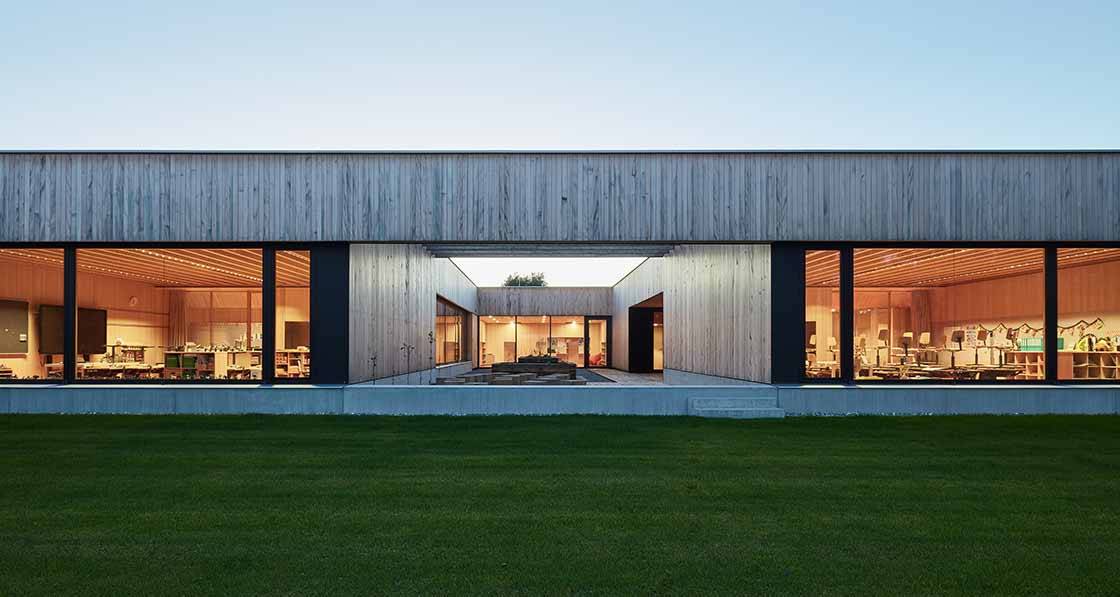
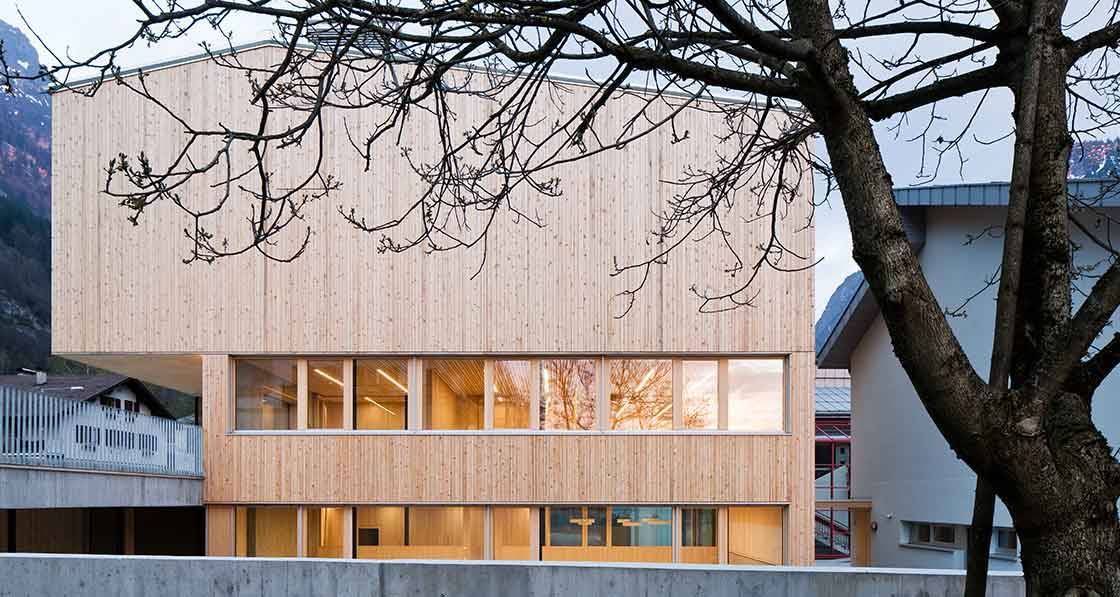
This issue features a low energy community centre in a mountainous region of Austria.
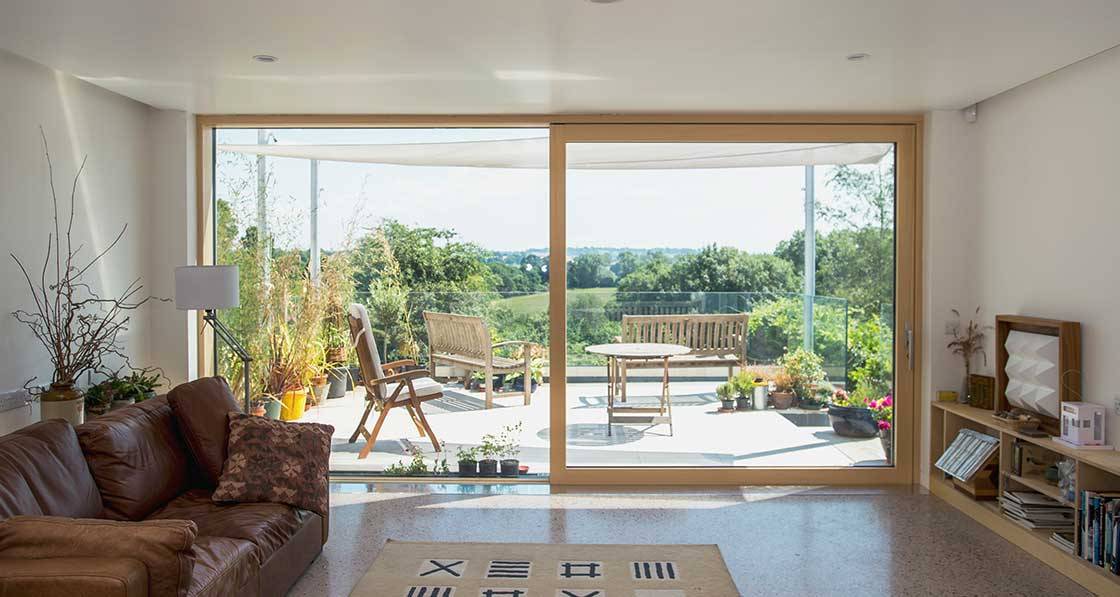
The best architecture responds skilfully and sensitively to its surroundings, so when a long and narrow plot beside a busy road became available in the Somerset village of Chew Magna, architect David Hayhow set out to design a passive house, inspired by nearby farm buildings, that would be both private yet filled with light — quite the challenge given the site’s tight restraints.
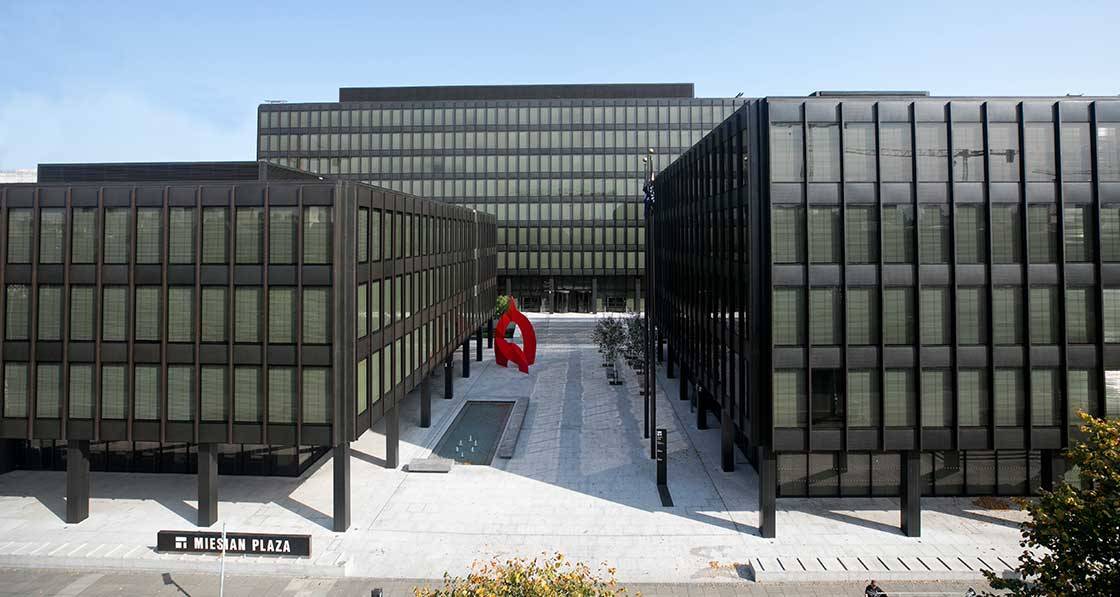
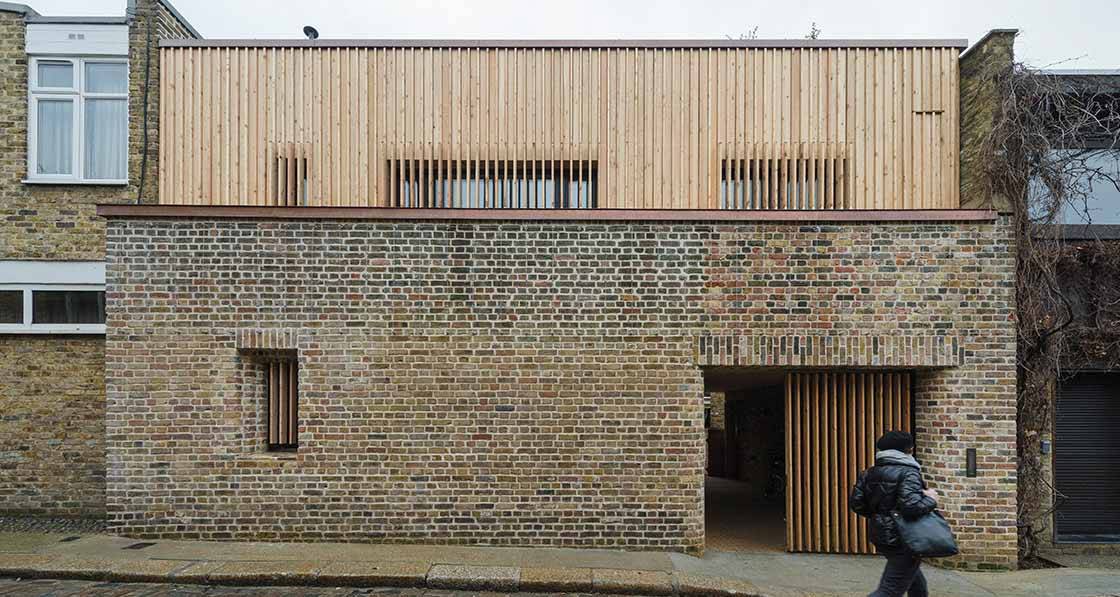
With this stunning, award-winning passive house in Camden, the legendary engineer Max Fordham — together with bere:architects & Bow Tie Construction — has produced a simple and beautiful urban home with no wet heating system that draws on his lifetime of work applying the principles of simplicity, practicality and replicability to the design of building services.
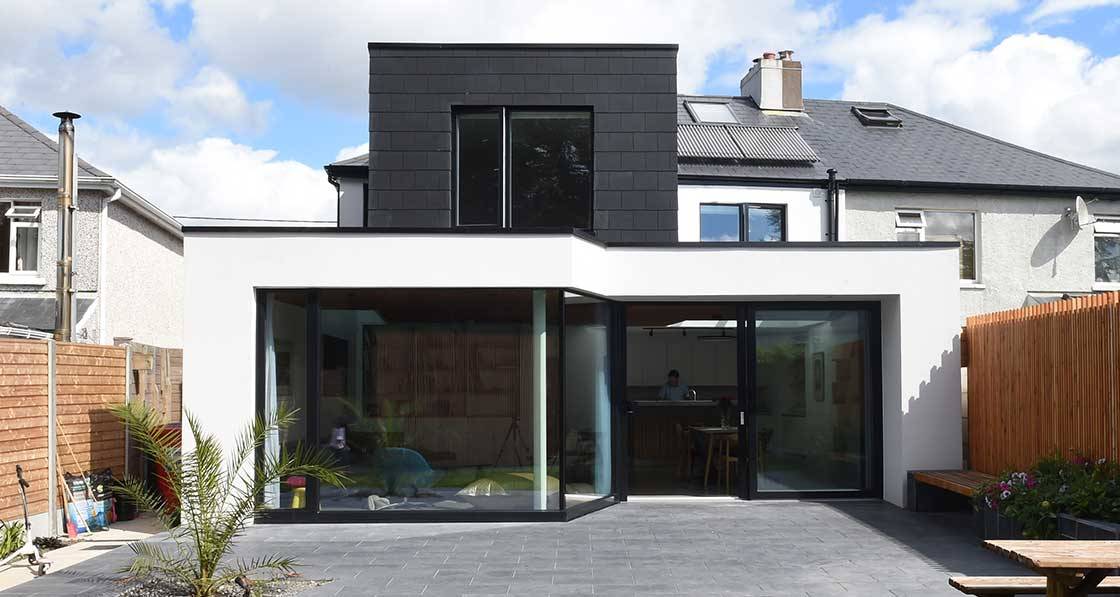
The retrofit and extension of a run-down semi in Cork shows just how radically a typical Irish home can be transformed with a skilful retrofit — and why, if your budget is limited, upgrading the building fabric should be your first priority.
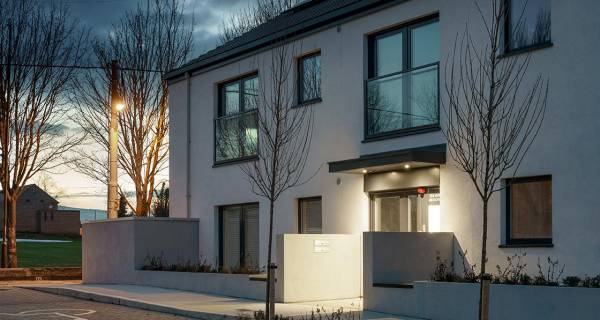
The dramatic conversion of 22 old bedsits on the north side of Dublin City into 11 passive-grade apartments offers an inspiring example of how to retrofit inner city housing while radically improving quality of life for residents.
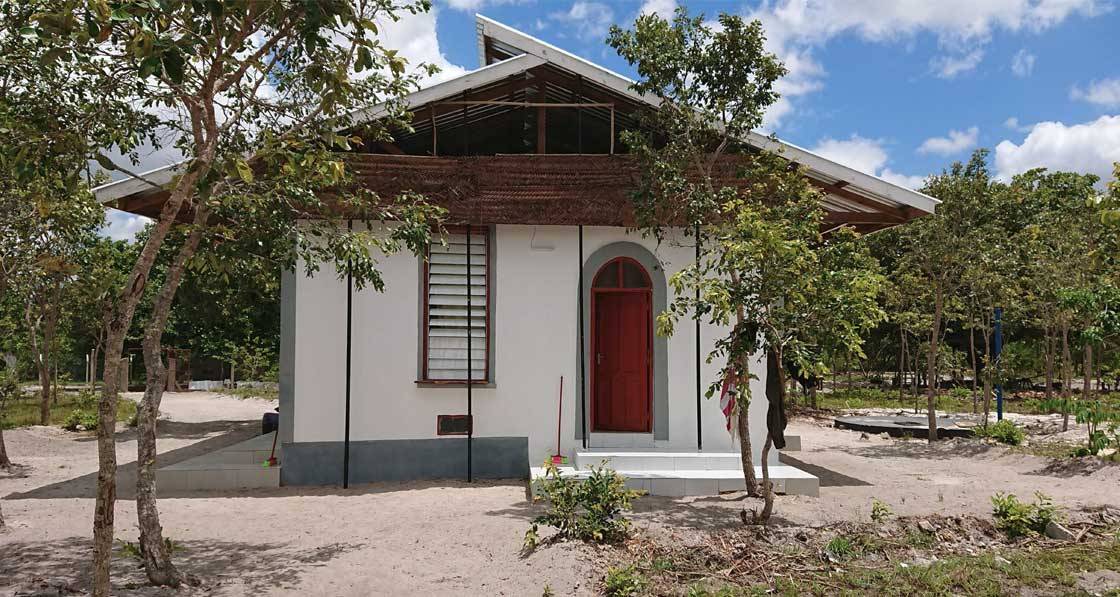
In 2016, three British sustainable building experts were asked to design a new school, housing and other facilities for an eco village in Tanzania that caters to the country’s orphans. They aimed to take the principles of passive house design and apply them in a low-cost, lowtech manner to demonstrate that sustainable, comfortable and affordable buildings could be accessible to the people of rural Tanzania.
This is the story of the project so far.
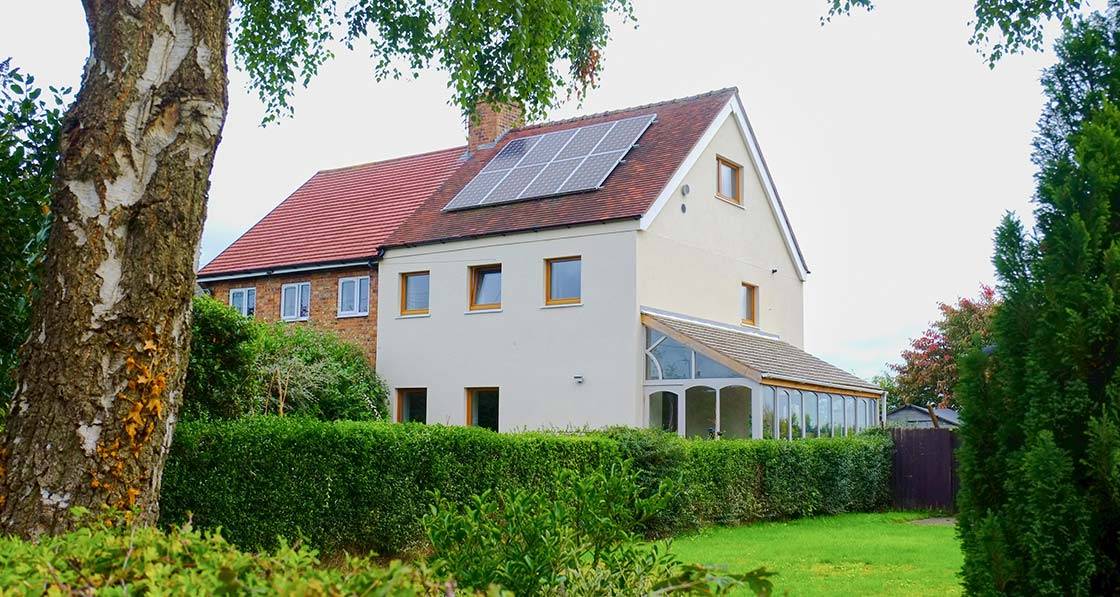
Vet Chris Copeman was so meticulous about the deep retrofit of his home near the village of Frodsham that he decided to train as a passive house consultant and project manage the build himself. The result? A certified passive house created on a surprisingly low budget.
Designed in a traditional farmhouse cluster on a greenfield site amid the hedgerows of rural Cork, this new passive home by the River Sullane pays deep attention not only to energy efficiency but also to natural light, elegant design and preserving the ecology of its sensitive setting.
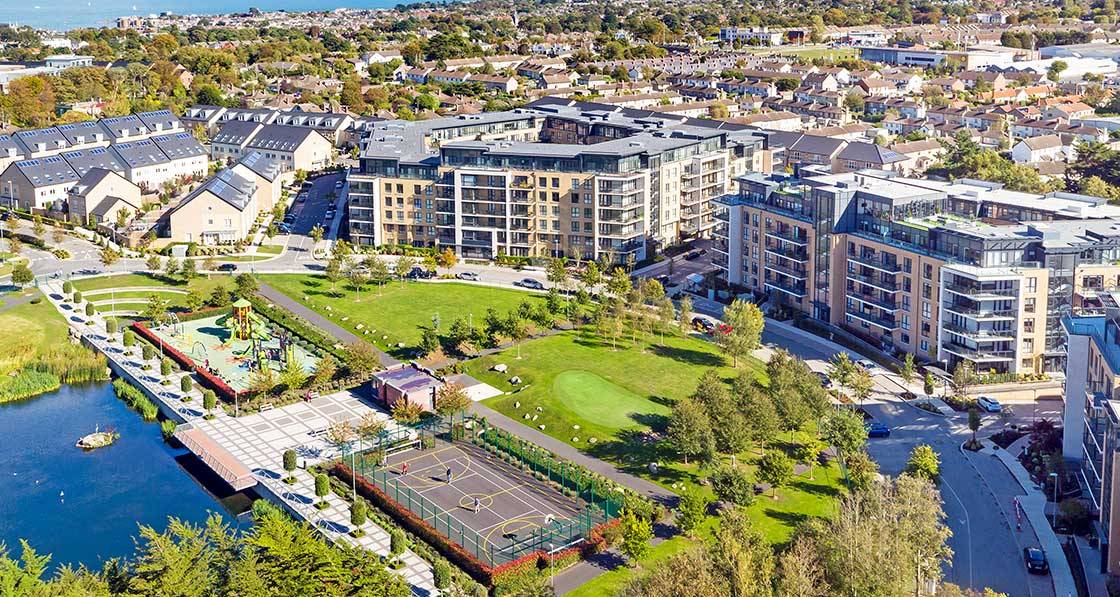
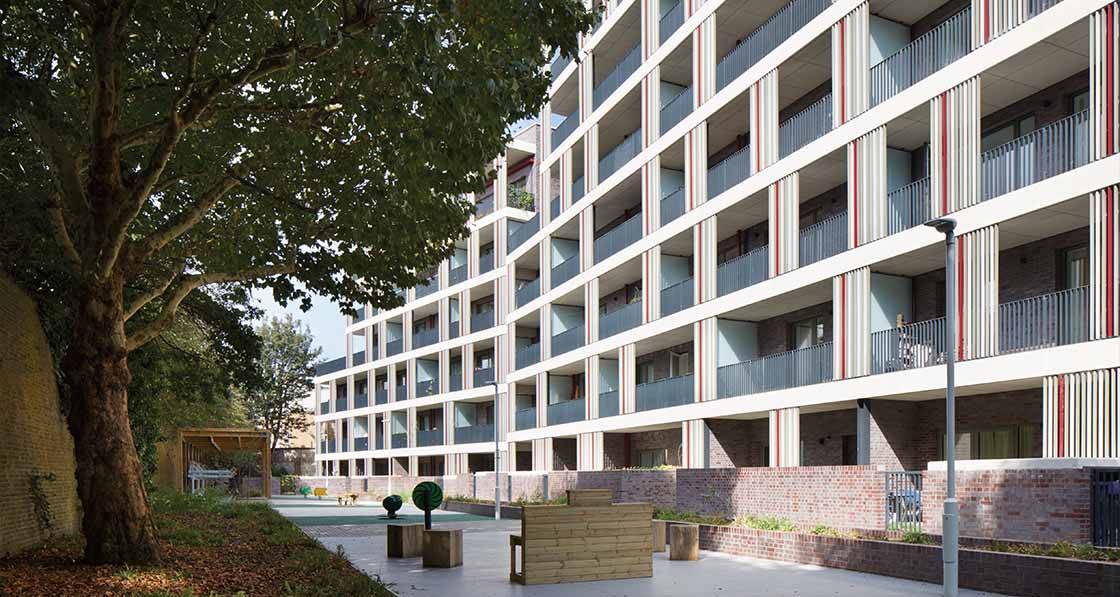
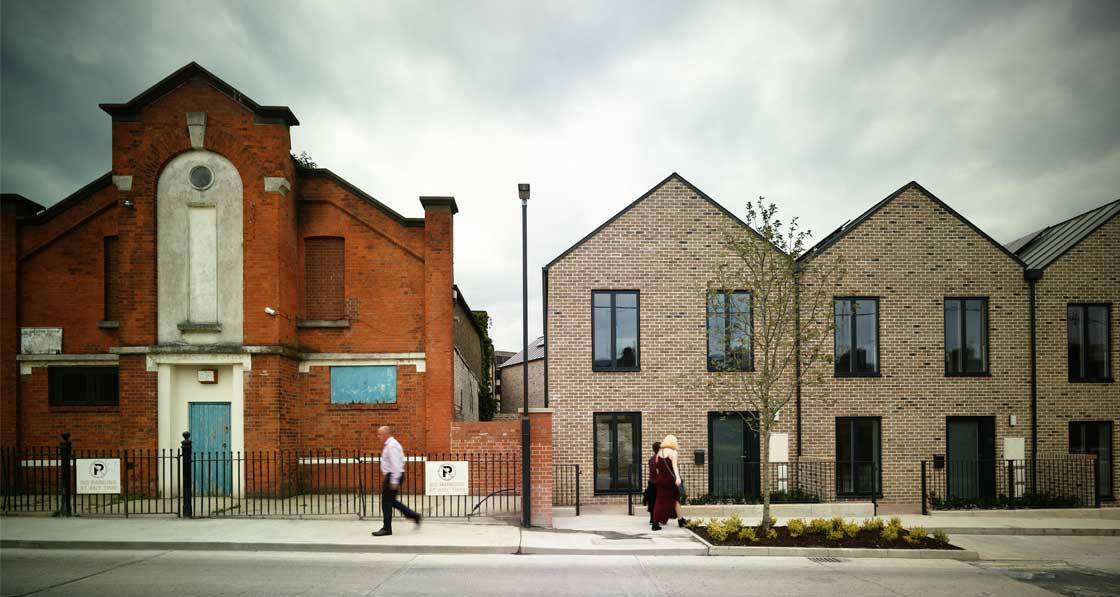
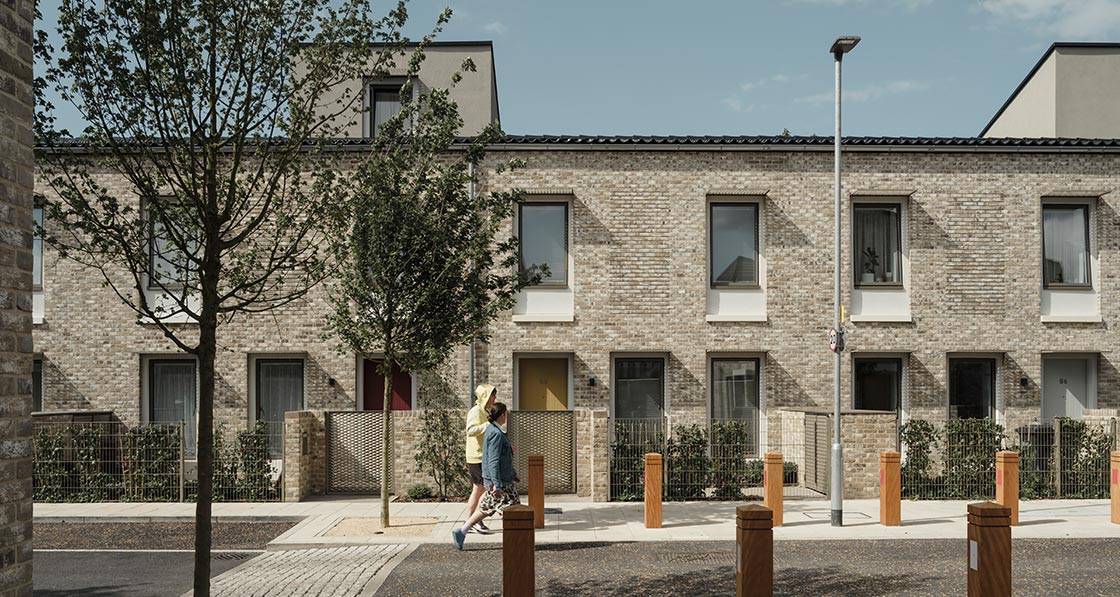
In the midst of a national housing crisis, this new development in Dún Laoghaire sets a hopeful and inspiring example: high quality, high density, rapid build social housing that needs almost no energy to heat and is within walking distance of shops, services and the seafront. No wonder it was one of the first projects to be certified to a rigorous new sustainability standard.
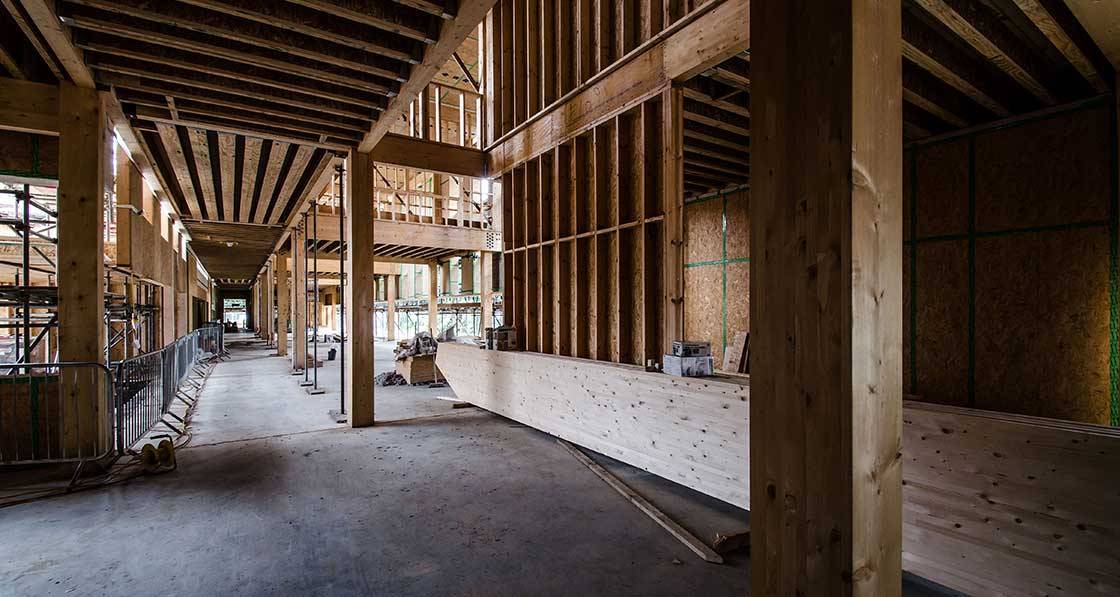
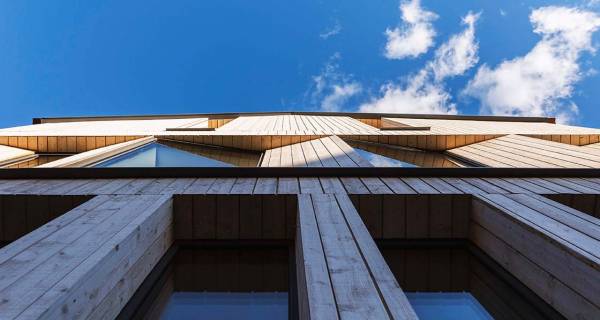
Fuelled by the need to build quickly and to increasingly tight sustainability standards, the market for timber frame and mass timber construction is growing rapidly. This detailed guide covers many of the main established and emerging techniques, and looks at key issues to address if you’re considering a timber-based build.
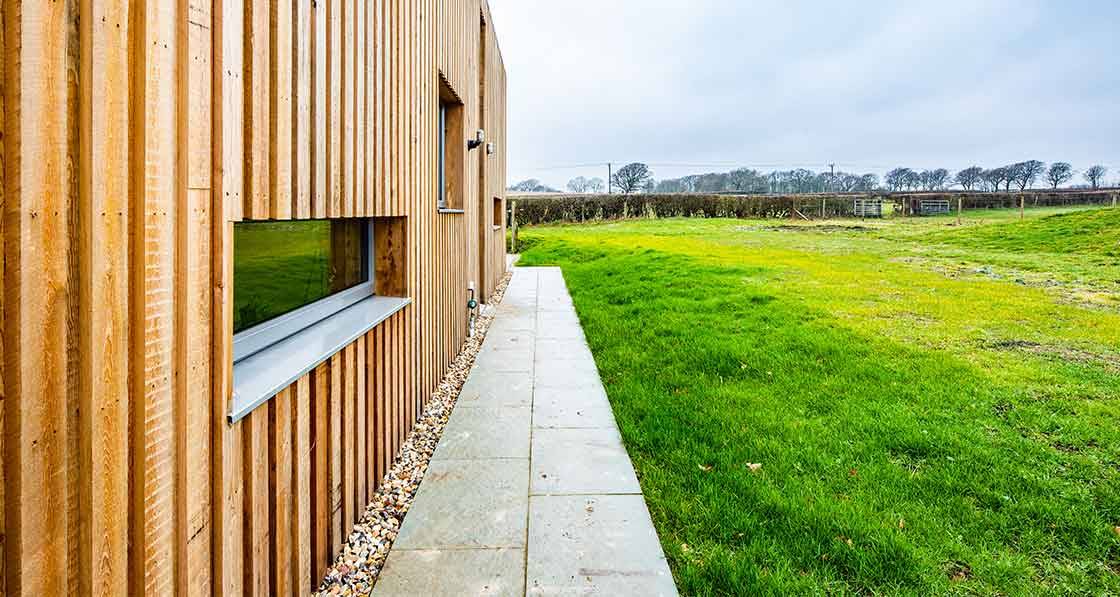
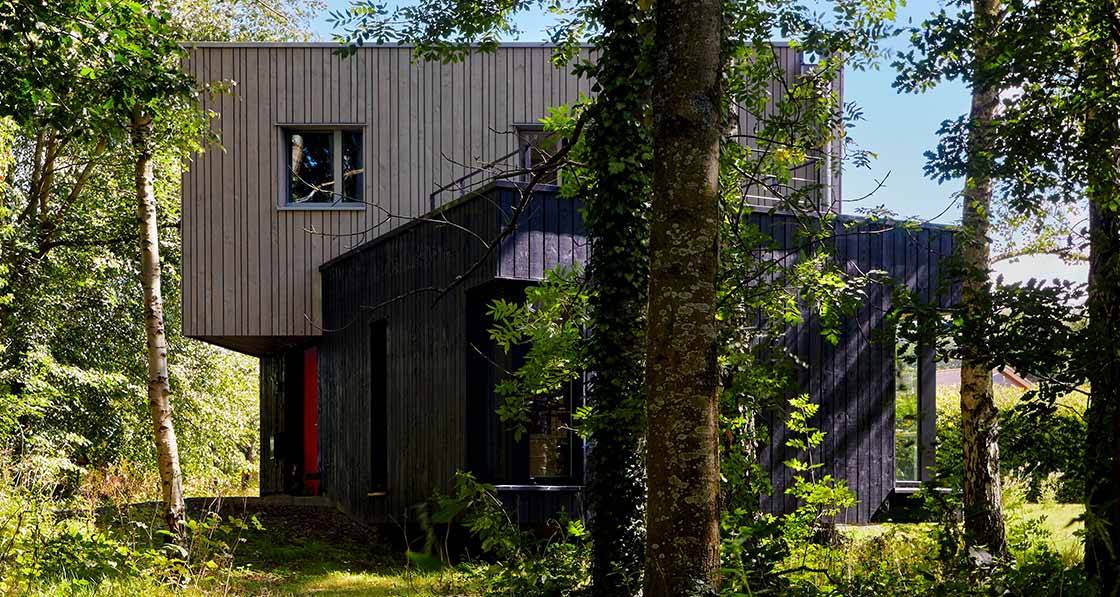
Hiding in woodland in an area of outstanding natural beauty, the Fishleys passive house manages to be both strikingly contemporary yet deeply sensitive to its rural setting. It also boasts a masterfully crafted timber frame structure with one of the best airtightness results this magazine has ever published.
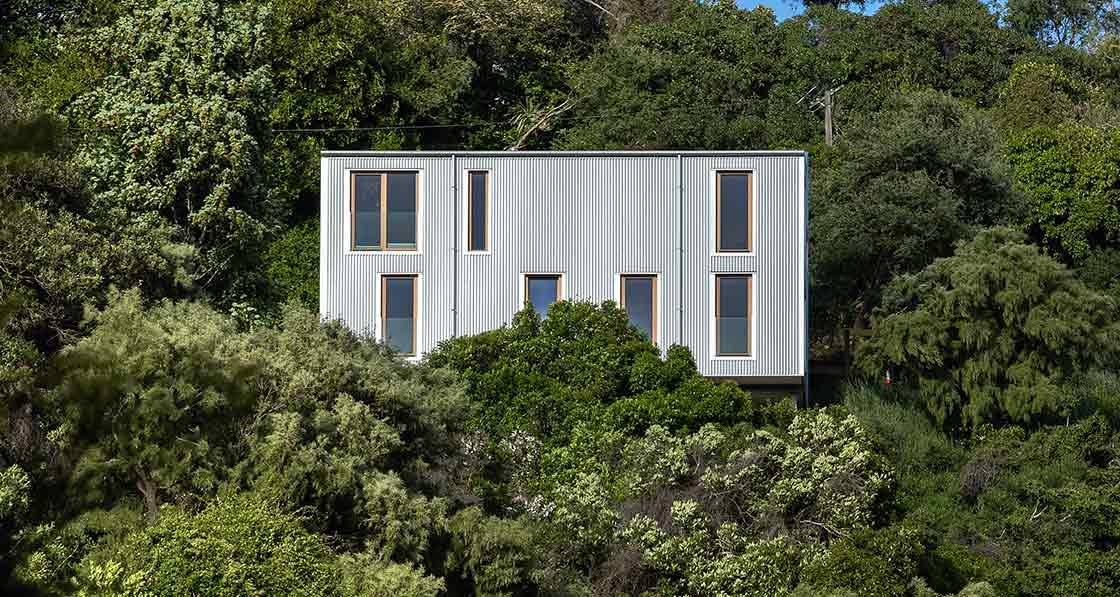
This issue features a certified passive house in South Island, New Zealand, and the Bagley Outdoor Classroom at the University of Minnesota, Duluth.
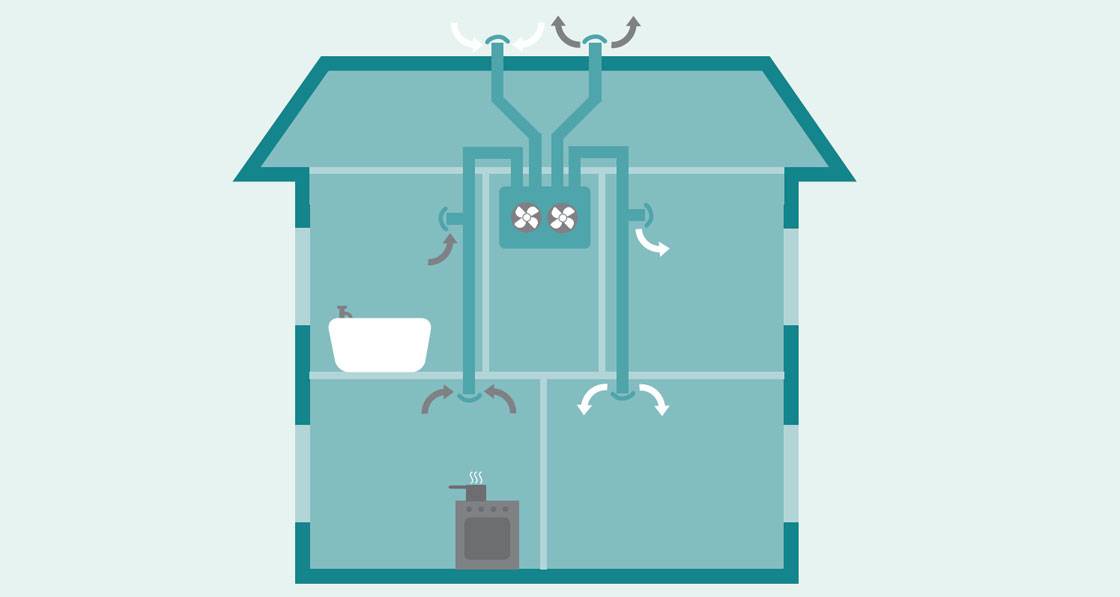
Heat recovery ventilation is an invaluable way to maintain indoor air quality in low energy buildings and minimise the loss of precious heat, but there are several issues to address to ensure optimal performance. Ventilation expert Ian Mawditt, a technical advisor on Part F of England’s building regulations, has decades of experience in field investigations of indoor air quality and ventilation effectiveness. His guide, which focuses on centralised or ducted whole house heat recovery systems, is essential reading to anyone considering such a system.
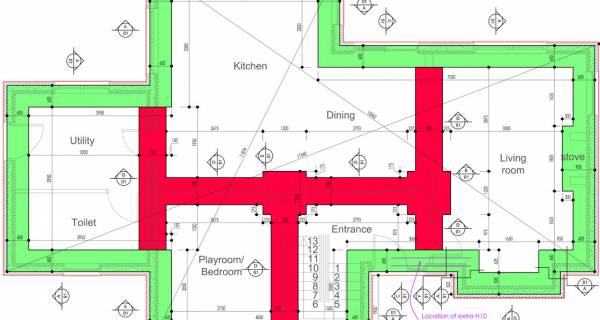
While understanding wall and roof insulation is relatively straightforward, insulation under the ground floor can be a bit of a mystery by comparison. Not only is it buried in the ground, but there are notoriously tricky spots like the wall-floor junction that need to be detailed and insulated properly. And the design of your foundation often depends on site conditions and the type of structure you’re going to build, too. In this guide, we explain some different ways of insulating one of the most challenging parts of the building envelope.
With obsessive attention to preserving and restoring the original fabric of these two Victorian townhouses, and a commitment to shunning petrochemicals and using only natural materials, could this be the most wildly ambitious and sustainable passive retrofit ever undertaken in the UK?
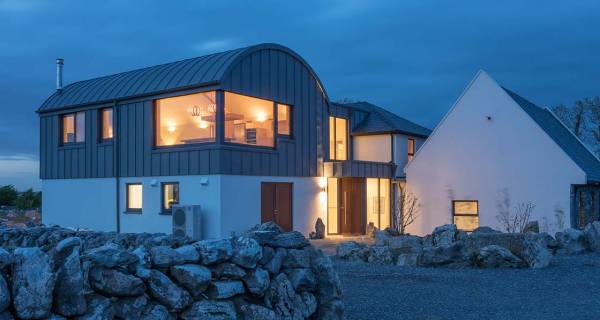
Situated in a stunning location in the west of Ireland, between Galway Bay and the limestone hills of the Burren, this project provided a complex challenge in three parts: deep retrofit an old cottage into a yoga studio, reinvigorate its original extension, and build a new barrel-roofed passive-grade extension — then make it all work together as one unified home and workspace.
An award-winning social housing development in South Dublin points to a sustainable way out of Ireland’s housing crisis.
With Old Holloway Cottage, located in rural Herefordshire, architect Juraj Mikurcik and his wife Joyce have lovingly crafted a beautiful-yet-simple passive home that is constructed from timber, insulated with straw, and finished with a palette of natural, durable materials — and all for a surprisingly small budget.
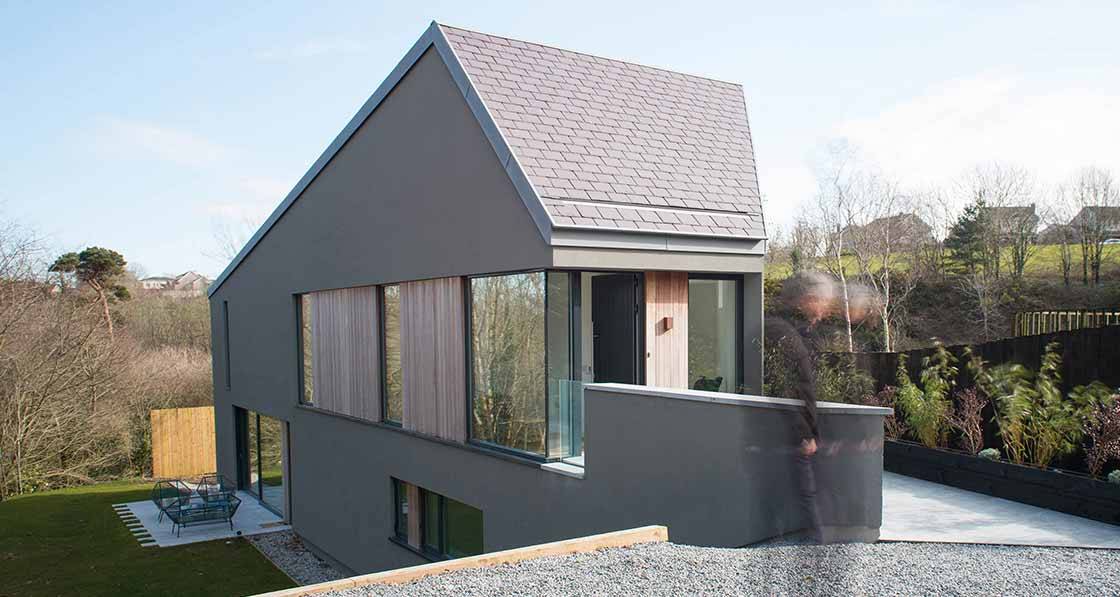
Appearances can be deceptive, and with his second A1-rated passive house in County Wexford, architect Zeno Winkens has designed a fairly traditional Irish home that also manages to include some unique design touches.
Once poorly understood by the mainstream building industry, airtightness is now increasingly seen as one of the most crucial objectives on any building project. Not only is it vital for energy efficiency, it’s also key for thermal comfort and for protecting a building’s structure from dampness and mould. In this comprehensive guide to airtightness, we look at why it’s so important, how exactly it’s measured, and most importantly, how to achieve it on site.
The Deerings, a large new certified passive house in the Hertfordshire village of Harpenden, is the stunning result of meticulous attention to design, energy efficiency and ecological materials by its architects, builders and a homeowner so taken by the experience that it led to an investment in an innovative passive house start-up.
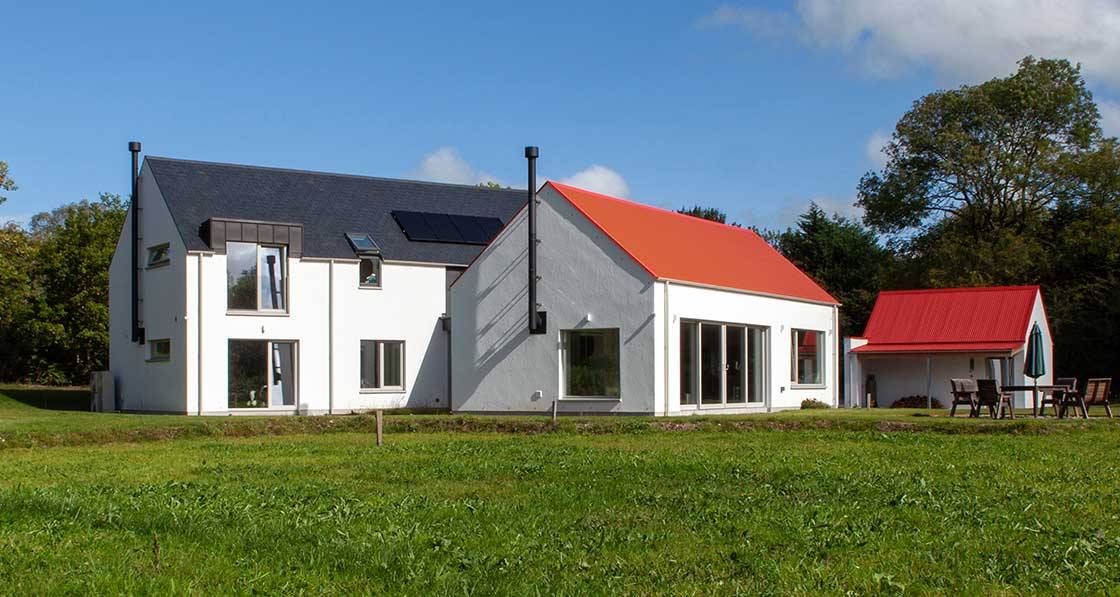
The home of a local passive house builder, this super low energy home in County Mayo is inspired by traditional building forms in the west of Ireland — and it blitzed Ireland’s nearly zero energy building standard a whole five years before it was set to become mandatory.
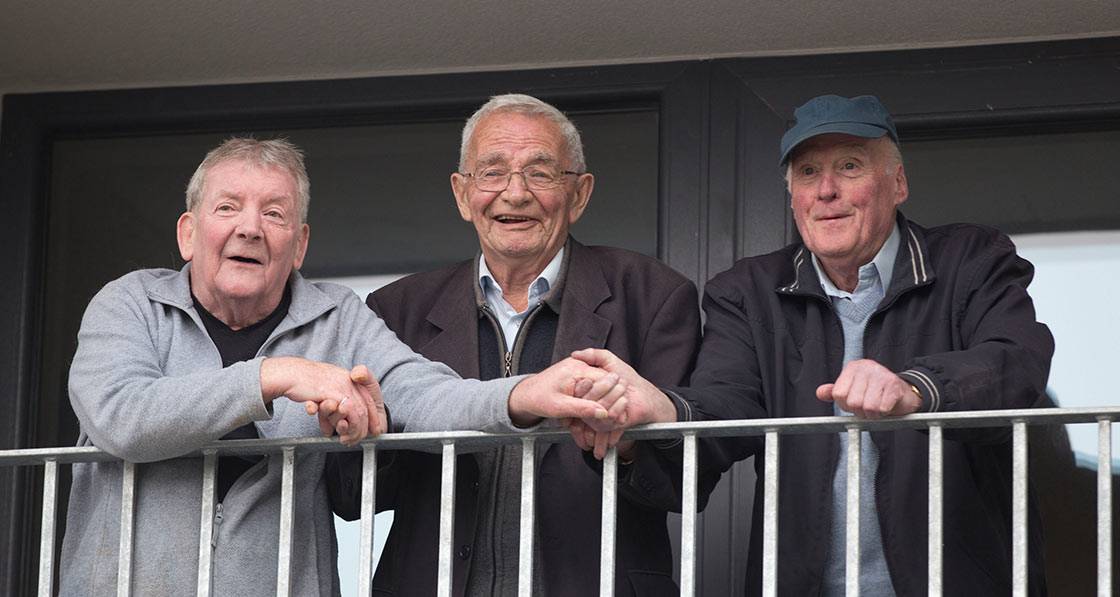
Taking its cues from the original historic almshouse on site, St John’s Lichfield chose to build their new sheltered housing development for older persons to the passive house standard as part of high-quality design that emphasised community, calm and comfort.