New digital hub for sustainable building upskilling
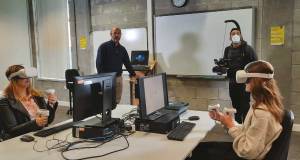
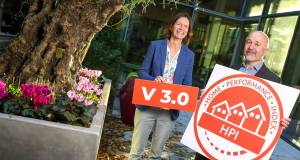
A new online hub aimed at upskilling the construction sector is now live.
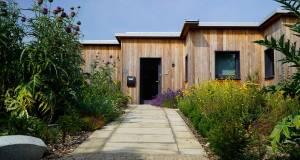
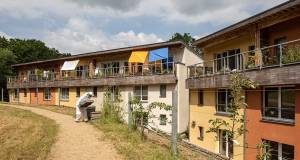
The pioneering Cannock Mill development in Colchester is just the second cohousing project in the UK to achieve passive house certification, making it a leader not just in terms of its thermal performance, but in demonstrating the vital role shared living can play in both building vibrant communities, and in mitigating the climate crisis.
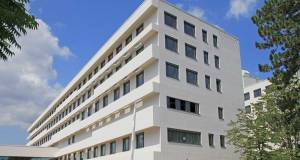
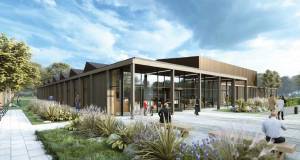
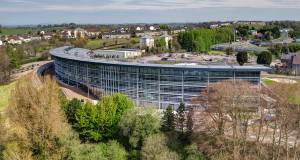
Since Erne Campus opened its doors in September, students of South West College in Enniskillen can now experience one of the world’s most environmentally advanced higher education buildings, and the largest building in the world so far certified to the passive house premium standard, in recognition of both its highly efficient building fabric and the large amount of solar energy it generates.
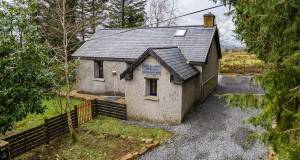
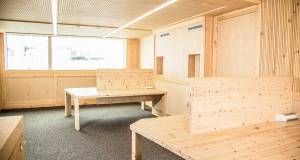
Run-down terraces are an all-too-common sight in towns and villages across Ireland, but an ambitious deep retrofit project in Tralee provides an inspiring blueprint for regeneration, taking a cold 19th century terraced office and turning it into a beautifully designed space with tiny energy bills, fit for the 21st century.
Marc O Riain explores how policy on both side of the Atlantic in the 1980s sabotaged a nascent revolution in renewables and energy conservation.
With signs that the corporate world may be starting to move from greenwashing to genuinely grappling with sustainability via environmental, social and governance reporting (ESG), will this create opportunities for the widespread adoption of evidence-based sustainable building? Archie O’Donnell, Passive House Association of Ireland board member and environmental manager with i3PT, finds reasons for optimism.
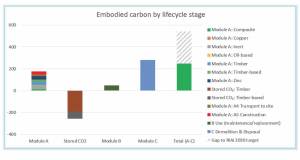
Addressing building life cycle emissions requires much deeper action than is currently planned, says Marion Jammet of the Irish Green Building Council.
Despite an increase in the construction of new homes, the number available for first-time buyers and families to purchase is falling.
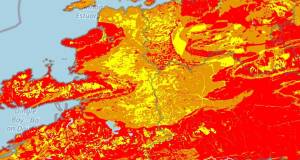
New radon maps, launched by the Environmental Protection Agency today at the National Radon Forum, show an increased risk from radon in Ireland, with 170,000 homes now predicted to be at risk of radon exposure above the national reference level.
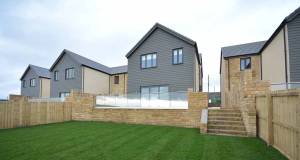
A new housing scheme designed by Coady Architects in Wicklow has achieved the highest green home certification – while suggesting that the convictions of one practice on a single project can help to transform the industry.
As the stringent fabric-first, low energy standard enters its fourth decade, Guy Fowler asks what sort of impact it has made on the world, and where it should go from here.
How do underlays manage to let water vapour through while keeping the rain out? Toby Cambray delves into the physics…
Latest climate report calls for more e� cient use of floor space in buildings
The deep retrofit of this 1930s dwelling on the Hampshire coast provides a pitch-perfect example of how to transform old dwellings while preserving their original structure and minimising embodied carbon, utterly transforming the living space without the need for an extension, and creating a cosy home that uses two-thirds less energy than before.
Kilsaran has announced the signing of a new partnership agreement with CarbonCure Technologies to bring a lower carbon cement to its clients. The project represents a €1m investment by Kilsaran and will create an additional eight jobs in the areas of project support and R&D.
The Irish government has announced significant new grants designed to make it “easier and more affordable” for homeowners to undertake home energy upgrades.
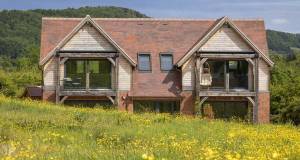
A striking new oak-framed passive house in an area of outstanding natural beauty in the English countryside has just opened its doors to the public, and already there has been a flood of guests seeking to experience life in a passive house.
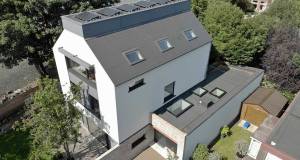
This Enerphit project in the suburbs of South Dublin has dramatically transformed and extended a dated 1970s dwelling by adding an extra storey, radically reducing its energy consumption and creating a smartly-designed, light filled family home and office.
We won’t be able to reduce the embodied carbon of construction fast enough just by switching to lower carbon materials, says Pat Barry of the Irish Green Building Council, so we urgently need smart design that allows us to build with less, and to create a genuine circular economy for building materials.
Under its new housing plan, the government wants the state to acquire more land for housebuilding. But why has it failed to use the vast land banks it already owns? Mel Reynolds runs the rule over the figures.
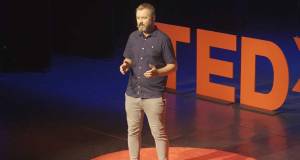
Passive House Plus editor and publisher Jeff Colley’s TEDx talk on the passive house standard is now available to view online.